




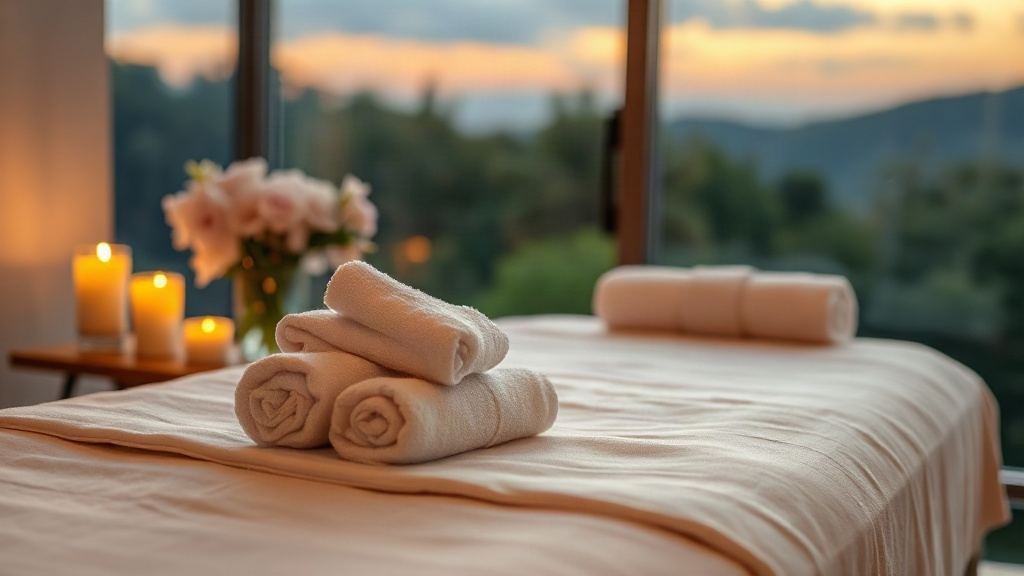
You walk in with tight shoulders and a busy brain, and then you face the menu: Swedish, deep tissue, hot stone. They all sound good, which somehow makes choosing harder.
Here’s the simpler way to decide. Match the massage to the state you’re in today, not the fanciest name on the list.
Key takeaways
- Swedish is the classic full-body reset: flowing strokes, easy breathing, and deep calm.
- Deep tissue troubleshoots stubborn knots and desk shoulders, and it should never make you wince.
- Hot stone uses gentle warmth to melt tension fast, a cozy-season favorite.
- The fastest shortcut: find your week in the chooser table below, then tell your therapist what you feel.
What we’ll cover
Start with how you feel
Forget the menu for a moment and check in with your body. Are you wired but tired, with a brain that won’t slow down? Are you stiff in one stubborn spot, like the shoulder that lives near your ear by 3 p.m.? Or are you chilled to the bone and craving comfort most of all?
Each answer points to a different massage. Swedish calms the whole system. Deep tissue troubleshoots the stuck spots. Hot stone melts everything with warmth. Pick the one that matches today, because the same person might need a different massage in July than in January.
And here’s your permission slip before we go further. Pressure is always adjustable. You can ask for more, or less, at any point in any session, and a good therapist will thank you for saying so.
Swedish massage: the classic reset
Swedish is the classic for a reason. Think warm oil, long gliding strokes, and a steady rhythm that tells your nervous system it’s safe to stand down. Your therapist works over the full body, back, legs, arms, shoulders, and neck, with kneading and gentle compression folded in.
Pressure usually sits at light to medium, and many people describe the feeling as being smoothed out by warm waves. Breathing slows, the chatter in your head quiets, and that buzzy end-of-day feeling starts to fade. If you tend to hold stress everywhere instead of in one spot, this whole-body approach is exactly right.
Swedish is genuinely good for full-body relaxation, easing everyday muscle tightness, supporting healthy circulation, and helping you sleep better that night. It’s also the best first massage if you have never booked one before, since nothing about it is intense or surprising.
Choose Swedish when your week felt like noise. Deadlines, driving Route 9 at rush hour, a house that never quiets down. You’ll leave feeling looser, calmer, and a little bit floaty in the best way.
Deep tissue: the troubleshooter
Deep tissue is the troubleshooter. The pace is slower, the strokes are more focused, and your therapist may use forearms or elbows to reach the deeper layers around your shoulders, hips, or legs. It feels like precise, deliberate work on the exact spot that has been complaining for weeks.
Pressure runs medium to firm, and here’s the honest part. You may feel intensity, sometimes called a good ache, but it should never make you clench, hold your breath, or wince. If you’re bracing against the pressure, your muscles are guarding, and guarding muscles don’t release.
That’s why no pain, no gain is a myth worth retiring. Pain doesn’t equal progress in massage. The most effective deep work happens right at the edge of intensity where you can still breathe slowly and stay relaxed. A skilled therapist wants your feedback and will adjust in seconds, so speak up early and often.
Deep tissue is genuinely good for chronic knots, desk shoulders and stiff necks, and heavy athlete legs after big training blocks. If your tension has a zip code, one area that always tightens first, this is your massage. If you’re training through race season, your legs will thank you.
Hot stone: warmth that melts tension
Now picture this. Smooth stones, warmed to a comfortable heat, glide slowly along your back while gentle warmth sinks into the muscle. Your shoulders drop without being asked. A warm stone rests between your shoulder blades and the heat spreads like sunlight through your whole upper body.
That’s hot stone massage: classic flowing strokes combined with warm stones that the therapist both places and glides with. The heat does part of the work for you, softening tight areas so the therapist can ease deeper without extra force. Most sessions feel deeply cocooning, especially once the room goes dim and quiet.
It feels like lying on a sun-warmed dock while someone works the knots out of your shoulders.
Pressure is usually gentle to medium, and the warmth makes even light pressure feel like more. Hot stone is genuinely good for tension that won’t let go, people who always run cold, and anyone who wants a deeply restorative hour. On a gray New England winter day, it’s pure comfort.
A note on who should modify or skip. If you’re sensitive to heat, have certain skin conditions, are pregnant, or manage a health condition that heat could affect, check with your physician first and tell us when you book. We can lower the stone temperature, use fewer stones, or steer you toward Swedish instead.
Which one should you book?
Not sure yet? Find your week in the left column and start there. Any of these can be tuned with pressure and focus areas, so treat the table as a starting point, not a verdict.
| If your week looked like this | Book this |
|---|---|
| Back-to-back meetings, shallow breathing, brain won’t shut off | Swedish |
| Desk shoulders, stiff neck, one knot that never leaves | Deep tissue |
| Heavy training, long runs, tired athlete legs | Deep tissue |
| Always cold, sleeping lightly, craving deep comfort | Hot stone |
| First massage ever, or you just want to fully unwind | Swedish |
Torn between two? Tell your therapist your top two concerns at the start of the session. A few focused minutes of deeper work can be folded into a Swedish session, and stone warmth can open a session that ends with deeper shoulder work. The menu is a starting point, and your body gets the final vote.
Find Your Match
Tell us how you feel
Mention your week when you book and we will match you with the right massage and pressure.
Make it even better: add the sauna
Want to make any of these three even better? Pair your massage with a sauna session. Heat before your massage warms the muscles so they release faster, while a sauna after extends that loose, glowing feeling. Many clients call the combination their full reset, and you can explore the options on our therapeutic massage and sauna menu.
A few small tips make the pairing perfect. Drink water before and after, give yourself a few unhurried minutes between the heat and the table, and mention the combo when you book your appointment online so we can time everything well.
If anything else is going on, pregnancy, a recent injury, or a condition your doctor is following, check with your physician first. And if you’re curious about lighter, detox-focused bodywork instead, our gentle lymphatic drainage treatments may suit you. Whatever you choose, arrive a few minutes early, speak up about pressure, and let the rest go.
FAQ
What is the difference between Swedish and deep tissue massage?
Swedish uses long, flowing strokes over the full body for relaxation and circulation at light to medium pressure. Deep tissue is slower and more focused, with firmer pressure on specific knots and overused areas like desk shoulders or athlete legs.
What are the benefits of hot stone massage?
Warm, smooth stones combined with flowing strokes help tight muscles soften faster, so tension releases without extra force. Many people find it deeply calming and restorative, especially in colder months. Heat-sensitive guests, pregnant clients, and those with certain conditions should check with a physician first.
Does deep tissue massage have to hurt to work?
No. Some intensity is normal, but sharp pain or wincing means the pressure is too much. Muscles that are bracing can’t release, so the best results come when you can breathe slowly and stay relaxed. Always ask for more or less pressure.
Who should skip or modify hot stone massage?
Anyone sensitive to heat, with certain skin conditions, who is pregnant, or who manages a health condition that heat could affect should check with a physician first. Your therapist can lower the stone temperature, use fewer stones, or suggest Swedish instead.
Can I pair massage with a sauna session?
Yes. A sauna before your massage warms the muscles so they release faster, and one after extends the relaxed feeling. Drink water, leave a few unhurried minutes between the two, and mention the combo when you book so the timing works well.
Keep reading
Couples Massages and Prenatal-Safe Spa Days: How to Plan Yours Right
Plan a couples massage or prenatal-safe spa day in Framingham, from shared-room basics to safety tips and easy booking steps.
Lymphatic Drainage Massage: What It Is and Why Everyone’s Talking About It
Discover what lymphatic drainage massage feels like, why face and body work differ, and how this gentle ritual helps you feel rested.